The Evolution of Smart Glasses
Smart glasses represent a significant leap in the realm of wearable technology, merging advanced features with eyewear to enhance everyday experiences. Over the past few years, smart glasses have evolved from niche products to mainstream technology, making them accessible and appealing to a broader audience. As we look toward 2026, these devices are set to redefine how we interact with our environment, merging digital and physical worlds seamlessly.
When exploring options, smart glasses offer comprehensive insights into various functionalities such as augmented reality, fitness tracking, and real-time information display. This article delves into the progression of smart glasses technology, their operational mechanics, diverse applications, and future trends that will shape the industry.
1.1 What Are Smart Glasses?
Smart glasses are wearable optical devices that incorporate a variety of electronic components beyond traditional eyewear functionalities. They are designed to provide information to the wearer in a hands-free format, allowing for enhanced interaction with digital content while remaining engaged in the physical world surrounding them.
1.2 The History of Smart Glasses Technology
The concept of smart glasses dates back to the late 20th century when rudimentary prototypes emerged. However, significant advancements in technology over the last decade have catalyzed their growth. Early versions were often bulky and limited in functionality, primarily serving niche markets such as industrial and military applications.
In 2013, Google launched Google Glass, which introduced augmented reality to the consumer market. Despite mixed reviews, it set the stage for subsequent developments in the realm of smart glasses. As technology improved, other companies joined the fray, including Vuzix, Epson, and more recently, Meta with their Ray-Ban Stories, which offered stylish designs paired with functional tech.
1.3 Key Features of Modern Smart Glasses
Modern smart glasses come equipped with a myriad of features that enhance user experience. These often include:
- Augmented Reality (AR): Many smart glasses provide AR capabilities, overlaying digital information onto the physical world.
- Voice Commands: Integrated voice assistants allow users to control their glasses without needing to use their hands.
- Camera Functionality: Some models include built-in cameras for capturing photos and videos or for facial recognition purposes.
- Health Monitoring: With growing health consciousness, smart glasses also offer features like fitness tracking and heart rate monitoring.
- Connectivity: Seamless integration with smartphones and other devices enables notifications and information retrieval directly on the eyewear.
How Smart Glasses Work
2.1 The Technology Behind Smart Glasses
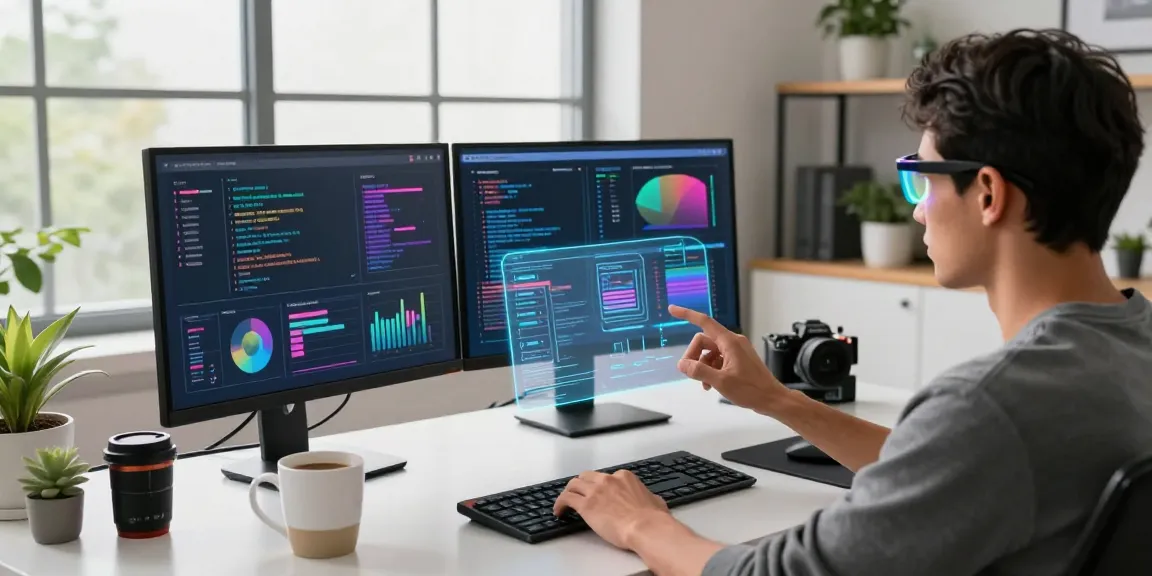
At the core of smart glasses technology is a combination of sensors, cameras, and displays. This technology allows the glasses to interpret information from their surroundings and present it to the user. Key components include:
- Processors: High-performance chips that process data in real time.
- Display Technology: Various display options, including micro-OLED and LCD, allow for clear visuals in diverse lighting conditions.
- GPS and Sensors: For location-based services, many smart glasses are equipped with GPS, accelerometers, and gyroscopes.
2.2 Augmented Reality vs. Virtual Reality
Understanding the difference between augmented reality (AR) and virtual reality (VR) is crucial when discussing smart glasses. AR enhances the real world by overlaying digital information, allowing users to interact with both virtual and physical elements simultaneously. Conversely, VR immerses users in a completely digital environment, often requiring dedicated headsets.
Smart glasses predominantly focus on AR, providing context-aware information that can enhance navigation, education, and social interactions without isolating the user from their immediate environment.
2.3 Integration with Smartphones and Other Devices
One of the primary advantages of modern smart glasses is their ability to integrate seamlessly with smartphones and other devices. This connectivity allows for:
- Notifications: Receive texts, calls, and app alerts directly in the line of sight.
- Media Control: Manage music playlists and streaming services without needing to reach for a device.
- Smart Home Control: Interact with smart home devices, providing users with comprehensive control of their environments.
Applications of Smart Glasses in 2026
3.1 Smart Glasses in the Workplace
In professional settings, smart glasses are revolutionizing how tasks are completed. From remote assistance to hands-free data access, industries are leveraging this technology to boost productivity. For instance:
- Manufacturing: Workers can receive real-time instructions and data overlays while performing complex assembly tasks.
- Healthcare: Surgeons can access patient data while minimizing distractions during procedures.
- Logistics: Warehouse staff can efficiently manage inventory using visual data displayed in their field of vision.
3.2 Use in Healthcare and Medical Fields
Smart glasses are making significant strides in healthcare settings, enabling healthcare professionals to provide better patient care. Features such as video conferencing allow for remote consultations, while AR can assist in surgical procedures by displaying critical information directly in the surgeon’s field of view.
Moreover, training new medical staff using realistic simulations displayed through smart glasses enhances learning and retention of critical procedures and protocols.
3.3 Smart Glasses for Entertainment and Gaming
The entertainment sector is also seeing the potential for smart glasses, particularly in gaming and media consumption. With AR capabilities, players can immerse themselves in expansive environments right from their living rooms. Key applications include:
- AR Gaming: Games like Pokémon GO have already paved the way for AR integration into casual gaming.
- Movie Watching: Enhanced viewing experiences through immersive environments that blend digital elements with traditional media.
Choosing the Right Smart Glasses
4.1 Top Smart Glasses Brands in 2026
As the smart glasses market continues to evolve, several brands stand out for their innovations and quality. These include:
- Meta: Known for their stylish Ray-Ban collaborations and seamless integration with social media.
- Microsoft: HoloLens continues to be a leader in enterprise applications, particularly in engineering and healthcare.
- Google: Google Glass is experiencing a resurgence focusing on industrial applications.
4.2 Features to Consider When Buying
When choosing smart glasses, consider the following features to ensure they meet your needs:
- Display Quality: Look for high-resolution displays that provide clarity and brightness in various conditions.
- Battery Life: Optimal battery life ensures the glasses can last through long work shifts or events.
- Comfort and Fit: Lightweight designs and ergonomic fit are essential for daily wear.
- App Ecosystem: Ensure compatibility with smartphone apps for seamless operation.
4.3 User Reviews and Expert Recommendations
User reviews and expert opinions can provide valuable insights into the practicality and performance of smart glasses. Look for reviews that discuss the real-world applications and experiences of users over time to gauge the reliability and functionality of the devices.
Future Trends in Smart Glasses Technology
5.1 Predictions for Smart Glasses Development
The future of smart glasses appears promising with advancements in several key areas:
- Increased AR Features: Future models are expected to incorporate even more advanced AR features, enabling users to interact with their surroundings in innovative ways.
- Enhanced AI Integration: AI will play a crucial role in personalizing user experiences, improving application functionality, and predictive analytics.
5.2 Upcoming Innovations and Features
Brands are continuously investing in research and development to bring new features to smart glasses, including:
- Improved Battery Technology: Longer-lasting batteries will increase usability.
- Flexible Displays: Innovating display technologies that allow for more compact designs without sacrificing visibility.
- Advanced Gesture Controls: New interfaces allowing users to interact with their devices through gestures, reducing reliance on touch or voice commands.
5.3 The Impact of Smart Glasses on Daily Life
Smart glasses have the potential to revolutionize daily life, enhancing productivity and entertainment experiences. By incorporating this technology into everyday accessories, users gain access to valuable information without interrupting their activities. This integration can lead to improved time management, safer driving experiences, and enriched social interactions.
What are the best smart glasses of 2026?
As we approach 2026, the best smart glasses will likely feature superior display technology, robust performance, and seamless connectivity with other smart devices. Identifying which glasses best fit personal and professional needs will be crucial in maximizing their benefits.
How do smart glasses enhance productivity?
Smart glasses enhance productivity by providing hands-free access to data, allowing users to multitask efficiently while keeping their focus on physical tasks. Real-time data display and voice-assisted commands streamline workflows in various industries.
Are smart glasses worth buying?
Whether smart glasses are worth buying depends on individual needs and intended use cases. For professionals seeking to enhance productivity and workflow, investing in smart glasses can lead to significant benefits.
What features should I look for in smart glasses?
When shopping for smart glasses, prioritize features like battery life, display quality, comfort, and compatibility with your smartphone applications to ensure you make an informed decision.
How will smart glasses impact the tech industry?
Smart glasses are poised to redefine user interactions with technology, influencing everything from workplace efficiency to entertainment consumption. As they evolve, they will likely play a critical role in shaping future technological trends.