Understanding the Benefits of Outdoor Planters
Outdoor planters serve as more than mere decorative items in your garden or patio; they are integral to enhancing both aesthetics and the health of your plants. These versatile structures allow for flexible gardening options, enabling you to cultivate a variety of plants even in limited spaces. With the myriad benefits they provide, outdoor planters are becoming increasingly popular among gardening enthusiasts and casual homeowners alike. They not only contribute to the beauty of outdoor spaces but also facilitate better plant management, making them a smart choice for both novice and experienced gardeners. When exploring options, outdoor planters offer a multitude of styles and functionalities to meet diverse gardening needs.
Why Choose Outdoor Planters for Your Garden?
Outdoor planters enable gardeners to exercise creativity while enjoying the benefits of gardening in confined spaces. They allow for controlled growth conditions for plants, reducing the risk of soil compaction and improving drainage. Additionally, planters can be strategically placed to maximize sunlight exposure, ensuring that plants receive the optimal amount of natural light. By using outdoor planters, gardeners can create visually appealing arrangements, making it easier to change and adapt designs as seasons change.
Key Features of Effective Outdoor Planters
Effective outdoor planters possess several key features that enhance their functionality and beauty. Firstly, they should have adequate drainage systems to prevent waterlogging, which can lead to root rot. Secondly, insulation properties can be crucial, helping protect plant roots from extreme temperatures. Thirdly, the material of the planter can significantly affect its durability; options such as rot-resistant wood, corrosion-resistant metals, and durable plastics are preferable choices. Lastly, aesthetic appeal is also important; a stylish design can complement the overall garden theme.
How Outdoor Planters Contribute to Garden Health
Using outdoor planters can significantly improve garden health. By isolating plants, gardeners can monitor their growth more effectively and control conditions to suit specific species' needs. Planters also allow for soil customization, enabling the use of specialized soil mixes that cater to the unique requirements of different plants. Furthermore, elevated planters can help reduce pest infestations and provide better air circulation around the plant roots, promoting healthier growth.
Choosing the Right Materials for Outdoor Planters
The material chosen for outdoor planters can dramatically influence their longevity and functionality. It's essential to consider both aesthetic appeal and environmental resilience when selecting materials for your garden planters. Popular choices include wood, metal, and stone, each offering unique benefits and styles to suit various outdoor environments.
Popular Materials: Wood, Metal, and Stone
Each material has its advantages. For instance, wooden planters, especially those made from cedar or redwood, boast natural rot resistance and attractive aesthetics. Metal planters, such as galvanized steel, add a modern touch to gardens and are extremely durable, although they may require insulation to protect plant roots from extreme heat. Stone planters, while heavier, provide excellent insulation and can add a rustic charm to outdoor spaces.
Durability Concerns: Weather Resistance in 2026
As climate patterns become increasingly unpredictable, selecting materials that withstand various weather conditions is crucial. Planters should be able to endure not only rain and humidity but also extreme heat and frost. For example, certain synthetic materials designed for outdoor use can offer superior weather resistance compared to traditional materials. Investing in high-quality outdoor planters will ensure longevity and reduce the need for frequent replacements.
Eco-Friendly Options for Sustainable Gardening
With a growing emphasis on sustainability in gardening, many eco-friendly options are becoming available. Biodegradable planters made from materials like hemp, bamboo, or recycled plastics are becoming increasingly popular. These options not only contribute to a greener environment but also often provide excellent growth conditions for plants.
Designing Your Outdoor Space with Planters
Designing an outdoor space with planters involves thoughtful consideration of aesthetics and functionality. By blending various planter styles and placements, gardeners can create inviting environments that promote relaxation and enjoyment.
Creative Designs That Enhance Aesthetic Appeal
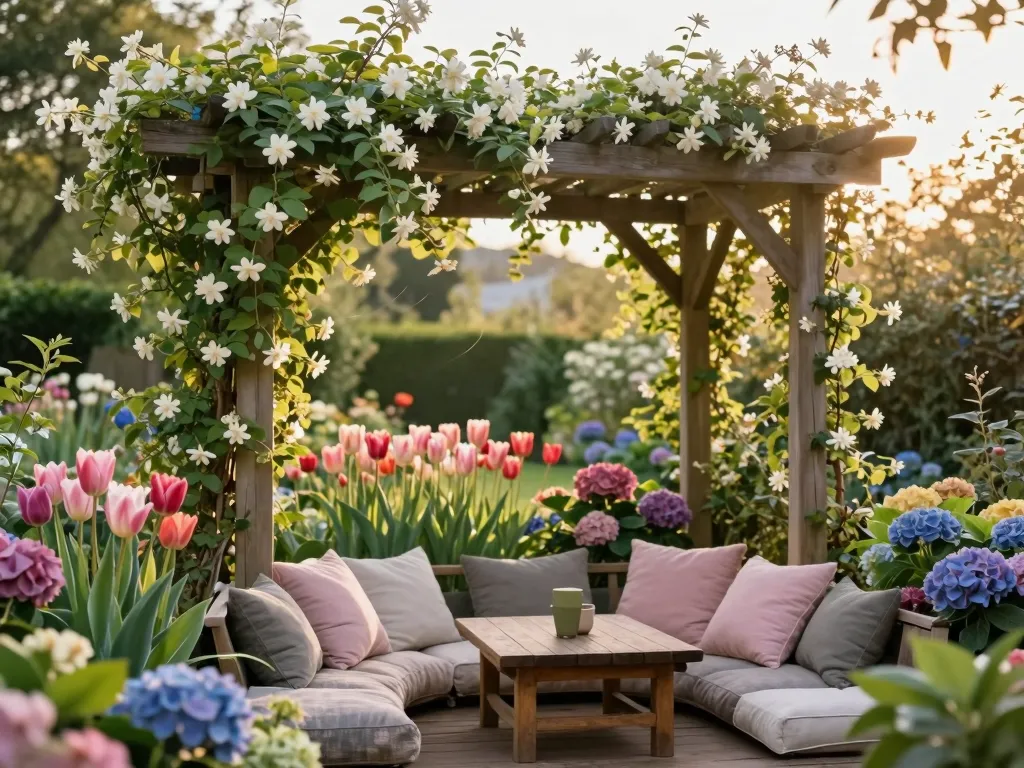
Outdoor planters can be used creatively to elevate the overall design of your space. Consider using a mix of heights and shapes to create visual interest. Tall planters can be used as focal points, while lower planters can frame pathways or seating areas. Additionally, grouping planters in clusters can create lush, vibrant sections of greenery, enhancing the beauty of your garden.
Strategic Placement for Optimal Growth and Visual Interest
Strategic placement of outdoor planters can make a significant difference in both aesthetics and plant health. Ensure that taller planters do not overshadow shorter ones, and position them to benefit from sunlight throughout the day. Using planters to create natural barriers can also provide privacy and break up expansive vistas, while simultaneously allowing for more plant diversity.
Using Colors and Textures to Create Harmony
Color and texture play essential roles in the design of outdoor spaces. Consider color schemes that complement your home’s exterior, and use contrasting colors to create lively showcases. Textured planters can add depth, while smooth, minimalist designs offer understated elegance. Blending these elements will lead to a harmonious outdoor environment.
Maintenance Tips for Healthy Outdoor Planters
To ensure your outdoor planters remain beautiful and healthy, regular maintenance is necessary. This involves monitoring plant health, providing necessary nutrients, and protecting them from pests and diseases.
Routine Care: Watering and Soil Management
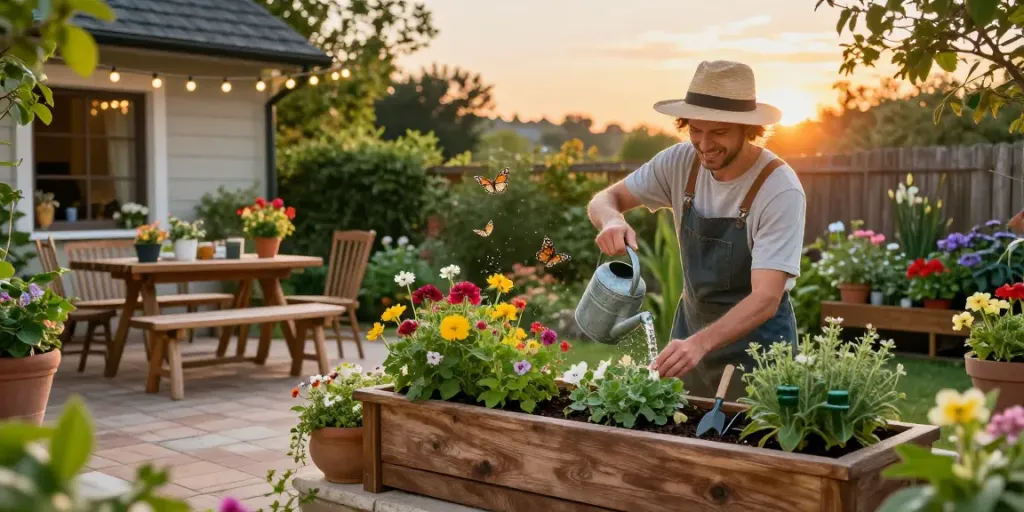
Proper watering is essential for the health of plants in outdoor planters. Overwatering can lead to root rot, while underwatering can cause plants to wilt. Use potting soil that offers good drainage and moisture retention properties. Regularly check soil moisture levels, especially during warmer months, to ensure your plants thrive.
Common Pests and Solutions for Outdoor Plants
Pests can pose significant threats to the health of your plants. Common invaders include aphids, spider mites, and whiteflies. Implementing organic pest control methods, such as introducing beneficial insects or using neem oil, can help mitigate these issues without harming the environment. Regular inspections of your plants will enable you to catch infestations early and address them effectively.
Seasonal Adjustments to Protect Your Planters
With the changing seasons, adjustments may be necessary to protect your outdoor planters. For instance, during winter, insulating planter materials or bringing sensitive plants indoors can be crucial. In the fall, preparing your planters for the colder months may involve cleaning out dead foliage and adding mulch to protect plant roots.
Future Trends in Outdoor Planters
The world of gardening is evolving, and outdoor planters are no exception. As technology and environmental awareness grow, new trends are emerging that will shape how we approach gardening.
Innovative Designs and Technologies for 2026
Looking to the future, innovative designs are expected to dominate the landscape of outdoor planters. Self-watering planters, which use built-in reservoirs to regulate moisture levels, could become a popular choice for busy gardeners. Additionally, modular system designs allow for flexibility in plant arrangements and ongoing landscape transformation.
Smart Planters: Integrating Technology for Optimal Growth
As technology advances, smart planters integrated with sensors and automated watering systems are on the rise. These high-tech solutions can monitor soil moisture, nutrient levels, and even weather conditions, ensuring plants receive optimal care with minimal effort. By incorporating such technology, gardeners can achieve impressive results without the constant attention traditionally required.
Eco-Friendly Practices Shaping the Future of Gardening
Eco-friendly gardening practices are expected to continue influencing trends in outdoor planters. Biodegradable materials and energy-efficient manufacturing processes will help reduce the carbon footprint associated with gardening. Additionally, promoting biodiversity through companion planting and utilizing native plants will become even more prominent as gardeners aim to support local ecosystems.
What is the best planter for outdoor use?
The best planter for outdoor use often depends on the specific plants you wish to grow and the conditions of your outdoor space. Consider the material, size, and drainage capabilities.
Where can I buy inexpensive outdoor planters?
Inexpensive outdoor planters can be found at local garden centers, home improvement stores, or online marketplaces. Always compare materials and durability before making a purchase.
Where is the best place to buy large planters?
Large planters can often be sourced from garden supply stores, specialty gardening websites, or through local artisans, depending on the desired style and material.
What are the latest trends in garden planters?
Current trends in garden planters include the use of eco-friendly materials, self-watering mechanisms, and designs that promote smart gardening practices. Additionally, there is a rising interest in vertical gardening solutions that maximize small spaces.
How do outdoor planters affect plant growth?
Outdoor planters can positively influence plant growth by providing controlled environments that optimize moisture and nutrients, protect against pests, and facilitate better drainage. The right planter selection can lead to healthier, more robust plants.